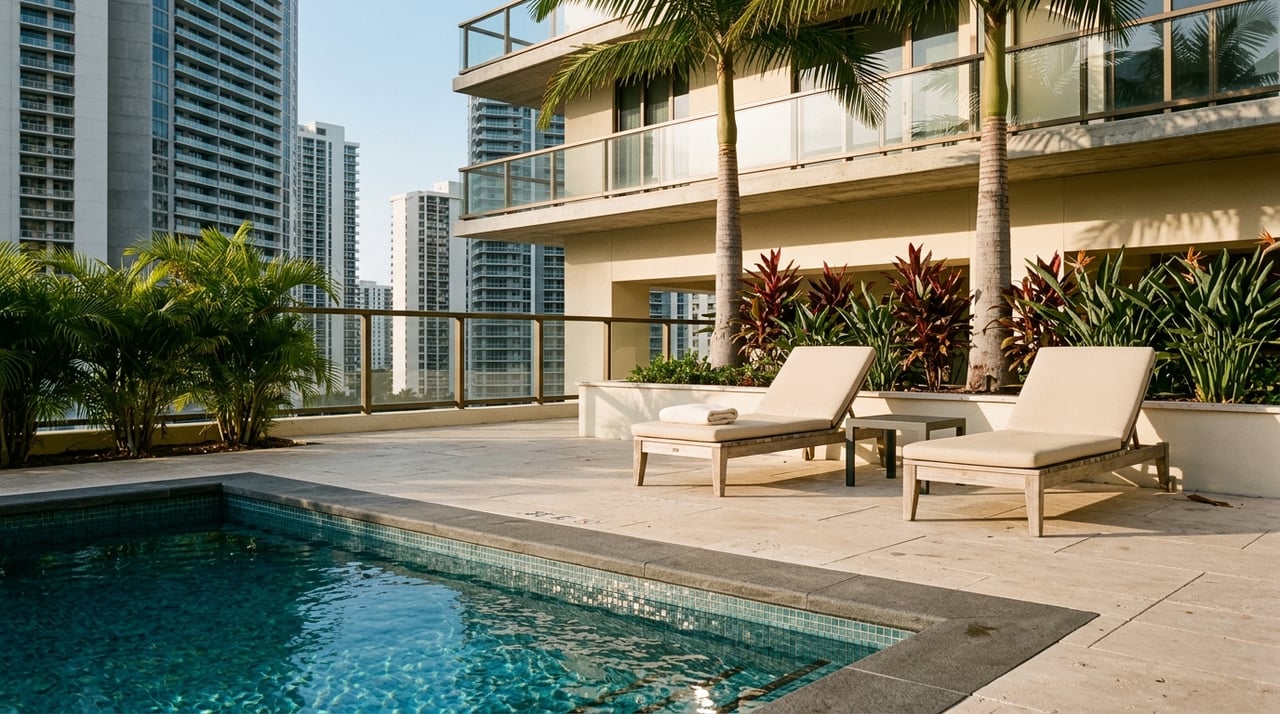
If you picture owning a place in Hawaii that you can enjoy throughout the year, Waikiki is often one of the first areas that comes to mind. It offers a rare mix of beach access, walkable daily convenience, and condo living that can fit a lock-and-leave lifestyle. If you are considering living in Waikiki as a part-time resident, it helps to understand both the appeal and the practical details before you buy. Let’s dive in.
Why Waikiki Appeals to Part-Time Residents
Waikiki is not a quiet, low-density neighborhood. It is a dense, beachfront urban district shaped by resorts, high-rise condos, shopping, dining, and a steady flow of visitors. According to Go Hawaii’s overview of Waikiki Beach, the area includes a two-mile beachfront with lifeguards, restrooms, showers, food concessions, and more than four million visitors a year.
For many part-time owners, that level of activity is part of the draw. You can step into a beach-first lifestyle where restaurants, stores, public amenities, and ocean access are all close at hand. If your goal is a second home that feels active, convenient, and easy to enjoy right away, Waikiki checks many of those boxes.
What Daily Life Feels Like
Living in Waikiki part-time usually means choosing convenience over quiet seclusion. The area is built around hospitality, retail, and entertainment, with destinations such as Waikiki Beach Walk, Luxury Row, and International Market Place helping shape the district’s day-to-day energy.
You will also find that many properties in and around Waikiki are designed for a flexible, amenity-rich lifestyle. Official tourism listings referenced in the research highlight residential-style stays with features like kitchens, in-suite laundry, pools, spas, valet, and concierge service. That setup can feel especially attractive if you want a home base that is easy to arrive at, enjoy, and leave without a lot of friction.
Can You Live in Waikiki Without a Car?
In central Waikiki, the answer is often yes. Go Hawaii notes that Waikiki is easy to navigate on foot or by Biki, and public transit helps connect the area to nearby destinations.
One practical option is TheBus Route 8, which runs between Waikiki and Ala Moana along major streets including Kalakaua and Kuhio. For a part-time resident, that can make it easier to reach shopping, dining, and other errands without relying on a car every day.
That matters because Ala Moana is close by and serves as a major retail and dining hub. Go Hawaii’s Oahu town-and-country overview describes Ala Moana Center as home to more than 350 stores and more than 160 dining options. If you prefer a more walkable or low-car lifestyle, this convenience is a real advantage.
Parking Is Still a Real Consideration
Even if a car is optional, parking should never be an afterthought when you buy in Waikiki. A City and County of Honolulu presentation on Ala Wai Boulevard reported 6,320 public parking spaces in Waikiki and more than 95% occupancy on the Ala Wai corridor parking inventory.
In simple terms, parking is constrained. If you expect to keep a car on island, or if friends and family may visit often, you will want to look closely at deeded parking, guest parking policies, and how the building handles access. For a part-time owner, this can have a direct effect on day-to-day convenience.
Expect Crowds and a Lively Pace
Waikiki stays busy throughout the year. DBEDT reported Oahu’s average daily visitor census at 109,211 in February 2025, 111,348 in August 2025, and 90,608 in September 2025, which helps show the scale of year-round visitor activity.
That does not mean every block feels the same at every hour, but it does mean you should expect a tourist-forward atmosphere, active sidewalks, and seasonal surges. For some buyers, this energy feels exciting and convenient. For others, it is an important lifestyle tradeoff to think through before choosing a second home here.
Beach Access Shapes Everyday Living
One of Waikiki’s biggest strengths is how easy it is to build your routine around the beach. Waikiki Beach offers public facilities and easy access across multiple beach segments, which can make morning walks, ocean time, or sunset outings part of regular life.
Beach safety is also part of that routine. The City and County of Honolulu visitor information page notes that Oahu has more than 40 lifeguard towers and encourages people to check ocean conditions before swimming. If you plan to spend meaningful time at the beach during your stays, this is part of living in Waikiki responsibly.
Waikiki Also Offers Built-In Activities
Part-time ownership is often about making the most of limited time on island. Waikiki can help with that because so much is already nearby. In addition to shopping and dining, Go Hawaii notes that Waikiki includes free cultural activities at places such as Royal Hawaiian Center and Waikiki Beach Walk, along with beachside music and hula programming.
That means your time in residence does not have to revolve only around your building amenities. Even short stays can feel full and connected because the area offers activity right outside your door.
Building Type Matters More Than Many Buyers Expect
One of the biggest mistakes part-time buyers can make is assuming every Waikiki condo works the same way. It does not. Honolulu’s Land Use Ordinance identifies different Waikiki Special District precincts, including Apartment, Apartment Mixed Use, Resort Mixed Use, and Public precincts.
That distinction matters because your intended use may depend on the property’s location, zoning context, and building rules. A condo that works very well as a personal second home may be far less flexible if you hope to use it in a vacation-oriented way when you are away.
Understand Rental and Use Rules Before You Buy
If rental flexibility matters to you, this is the area where careful review is essential. Honolulu’s current registration rules for bed-and-breakfast homes and transient vacation units require annual registration and supporting items such as insurance and an HOA or apartment association confirmation letter.
The ordinance also includes operating requirements like occupancy rules, quiet hours from 10:00 p.m. to 7:00 a.m., a 24-hour contact requirement, and limits such as no exterior signage. Registration is not transferable, and repeated complaints or violations may lead to revocation.
For a buyer, the key takeaway is simple: do not assume that personal-use ownership automatically comes with broad rental options. The specific building, association documents, and applicable district rules all matter.
What to Prioritize in a Part-Time Waikiki Condo
If you are comparing options, focus on the details that affect ease of ownership. A part-time residence should support how you actually plan to live, arrive, leave, and maintain the property.
Here are a few priorities worth reviewing:
- Walkability to the beach, dining, and daily errands
- Building amenities that match your lifestyle, such as pool, spa, valet, or concierge
- Parking access if you plan to keep or rent a car
- Laundry and kitchen setup for longer stays
- Association rules that affect occupancy, guests, and rental use
- Building style, whether more residential or more hospitality-oriented
The right fit depends on whether you want a quiet home base, a highly serviced residence, or a property with carefully reviewed use flexibility.
Balancing Lifestyle and Practicality
Living in Waikiki as a part-time resident can be a strong fit if you want a home that feels easy to enjoy from day one. You get a central Honolulu location, strong beach access, walkable convenience, and a level of activity that keeps even shorter stays engaging.
At the same time, Waikiki asks you to be realistic about crowds, parking, and building-specific rules. The best purchase is usually the one that matches your actual goals, not just the postcard version of the neighborhood.
If you are exploring a second home or condo in Waikiki, working with a team that understands both lifestyle goals and property-use details can make the process much smoother. Real Select International offers a high-touch, locally informed approach for buyers seeking clarity on Honolulu condo living, second-home strategy, and the practical realities of ownership in Waikiki.
FAQs
Is Waikiki a good fit for part-time living?
- Waikiki can be a strong option for part-time living if you want beach access, walkable convenience, and an amenity-rich condo lifestyle in an active urban setting.
Can you live in Waikiki without a car as a part-time resident?
- In central Waikiki, many part-time residents can manage without a car because the area is walkable, Biki is available, and TheBus Route 8 connects Waikiki and Ala Moana.
How busy does Waikiki feel during the year?
- Waikiki stays active year-round, with visitor levels on Oahu remaining high across multiple months in 2025 according to DBEDT.
What should buyers know about Waikiki condo rental rules?
- Buyers should know that rental and vacation-use rules depend on the building, association documents, and applicable city regulations, so it is important to verify those details before purchasing.
Why does parking matter when buying a Waikiki condo?
- Parking matters because public parking is limited in Waikiki, so a unit’s deeded parking, guest parking access, and building policies can affect convenience for owners and visitors.
What amenities are helpful for a Waikiki part-time residence?
- Helpful amenities often include a kitchen, in-unit laundry, pool, spa, valet, concierge service, and other features that support easy arrivals, longer stays, and lock-and-leave ownership.