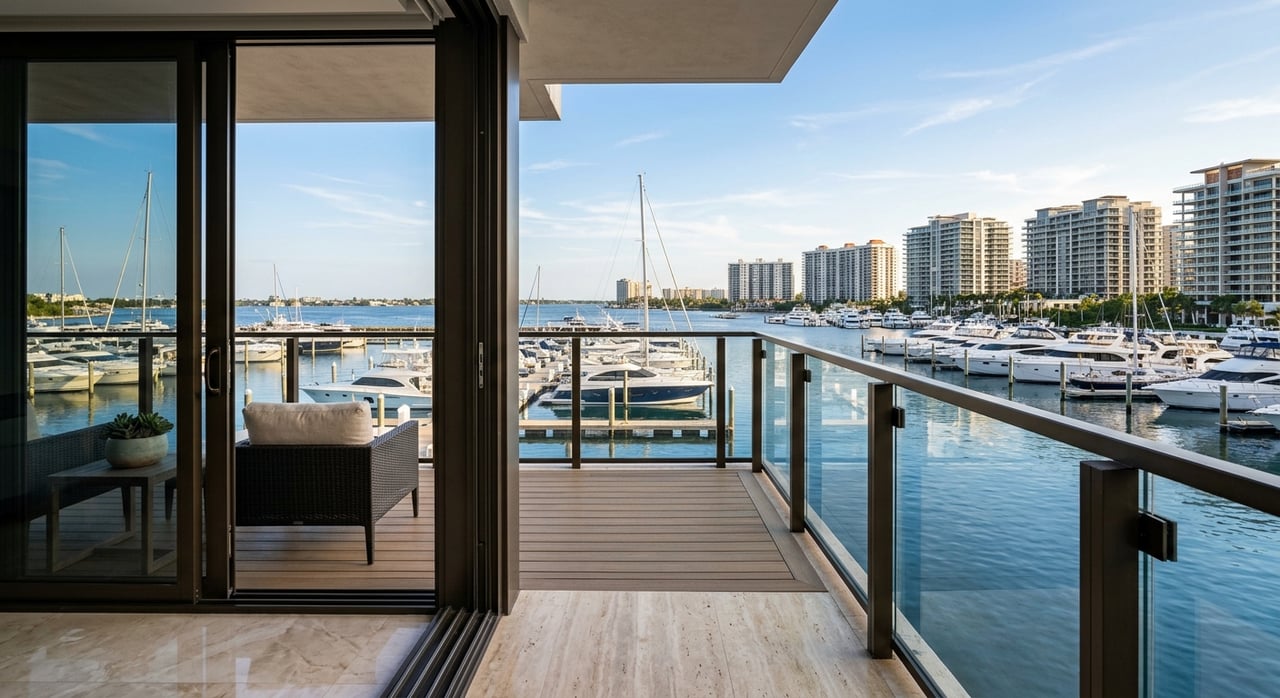
If you are looking at waterfront condos in Hawaii Kai, one detail can change everything: not all waterfront living here works the same way. Some homes sit along the private marina with boat access and calmer water exposure, while others face the shoreline with broader views and a different set of upkeep and hazard considerations. When you understand those differences early, you can compare properties with more confidence and fewer surprises. Let’s dive in.
What waterfront means in Hawaii Kai
Hawaii Kai is a master-planned community in East Honolulu with a long-established residential pattern. City planning guidance describes East Honolulu as a relatively stable area intended to remain predominantly residential, generally low-rise, and low-density, and notes that Hawaii Kai’s modern suburban pattern began with its 1961 master-planned development.
For condo buyers, “waterfront” in Hawaii Kai usually means one of two settings: marina-front or ocean-facing. That distinction matters because the day-to-day lifestyle, maintenance demands, and boating potential can be very different depending on which side of the water your unit is on.
Marina-front living
Hawaii Kai Marina is a private inland body of water owned by the Hawaii Kai Marina Community Association. It covers about 266 acres, includes about 12 miles of shoreline, averages about 6 feet in depth, and provides boat access to Maunalua Bay.
This setup makes marina-front condo living especially appealing if you want sheltered water and practical boating access. The marina association also states that Hawaii Kai is the only Oahu community with a large private inland body of water where residents can live and access the ocean by boat.
Ocean-facing living
Ocean-facing condos usually appeal to buyers who prioritize direct shoreline views and the feel of open water. At the same time, Hawaii’s coastal guidance notes that the coastline is affected by erosion, tsunamis, hurricanes, sea level rise, flooding, subsidence, and earthquakes.
That does not mean every ocean-facing condo carries the same level of risk or cost. It does mean you should look closely at insurance, building condition, and any shoreline-related review or permitting issues before deciding that a view premium is worth it for your goals.
What condo inventory looks like
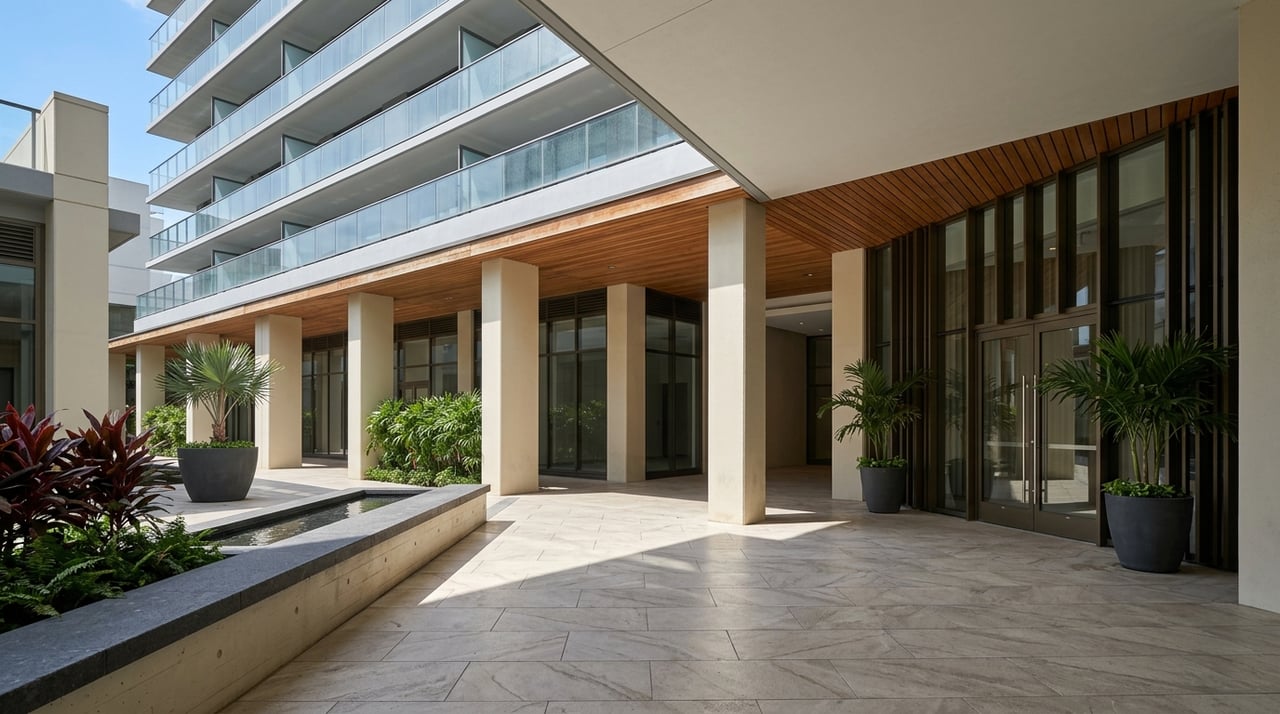
Waterfront condo choices in Hawaii Kai often feel different from denser urban condo districts in Honolulu. Instead of a tower-only environment, you will often find established mid-rise and high-rise projects, along with townhouse-style marina units that combine condo convenience with direct water orientation.
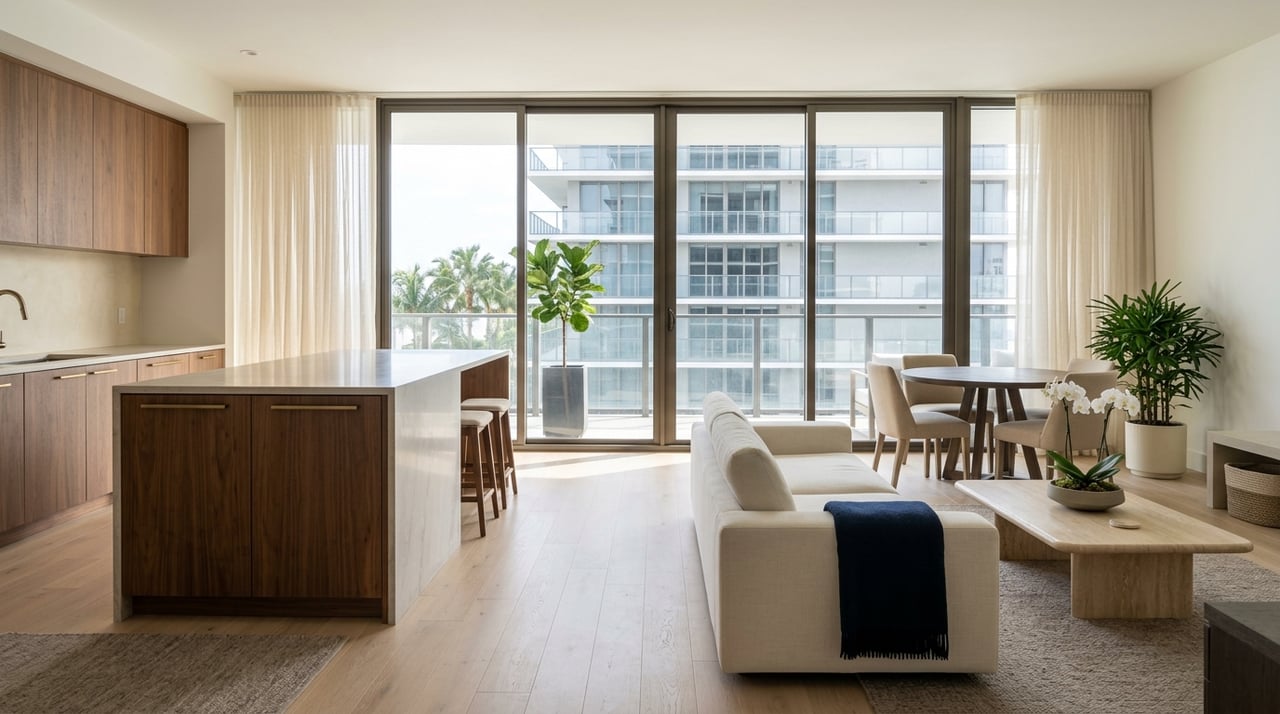
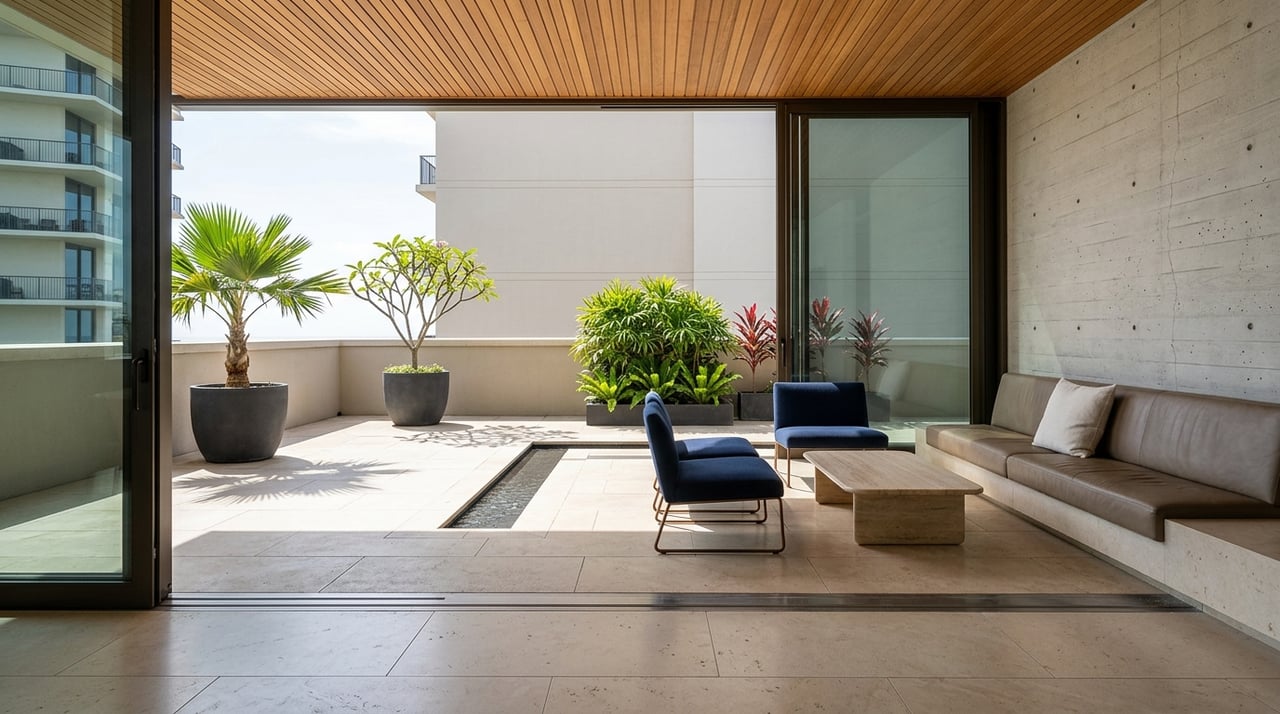
Many properties also reflect an older but amenity-rich pattern. That can include lanais, landscaped walking paths, gated entries, recreation decks, pools, barbecue areas, and dock-oriented features that support a more relaxed waterfront lifestyle.
Common layouts and features
Examples from local projects show the range. Kalele Kai includes 229 two- and three-bedroom units in three six-story towers, plus 10 waterfront three-bedroom townhomes, with features such as pool and spa areas, barbecue space, landscaped pathways, and large lanais.
The Esplanade shows another common setup, with one-, two-, and three-bedroom units across four buildings and amenities that include a saltwater pool, jacuzzi, fitness center, tennis and pickleball courts, barbecue areas, steam rooms, a putting green, shuffleboard, boat docks, and a car wash area.
For you as a buyer, the practical takeaway is simple: in Hawaii Kai, waterfront condo living often means established communities with strong amenity packages and a layout designed around outdoor living and marina access rather than just vertical density.
Daily convenience in Hawaii Kai
Lifestyle is not just about the unit itself. Nearby convenience is part of the appeal, especially if you want dining, services, and marina-adjacent errands close to home.
Koko Marina Center, which opened in 1963, lists more than 70 merchants and includes a mix of dining, services, and water-sports-related businesses. For many buyers, that adds everyday practicality to the waterfront setting.
Boat access and marina rules
If you are drawn to Hawaii Kai because of boating, this is one of the most important parts of your search. The marina is not only scenic. It is also an active, shared waterway with rules, size constraints, and added costs that should be part of your buying decision.
Marina operating rules
According to the Hawaii Kai Marina Community Association, the marina is shared by boaters, paddlers, and waterfront owners. The rules require the slower of 5 mph or no wake, and boats over 21 feet must always travel at slow or no wake speed.
No racing is allowed. From sunset to 8 a.m., the slow or no wake rule applies throughout the marina.
Bridge clearance and boat fit
Physical fit matters just as much as legal access. The marina association states that interior bridge clearance is about 13 feet at the Kalanianaole Highway Bridge and about 19 feet at the Keahole and Wailua Bridges.
The marina office also notes that sailboats up to 14 feet in length are very maneuverable, while higher masts, deep keels, and large powerboats can be difficult or restricted because of bridge height and wake rules. If you already own a boat, you should confirm that the vessel works with Hawaii Kai’s actual water conditions before you focus on a specific condo.
Docks, slips, and extra costs
Water access rights can vary by property. The marina association says marina waterfront residents may install or modify boat docks on the marina side of their homes if approved by the marina manager.
It also states that boat slips are available for rent at Koko Marina Center. A 2026 slip schedule lists pleasure-vessel slip sizes of 26, 28, 30, and 36 feet, with monthly rents of about $341 to $451 plus a three-month security deposit.
The same marina materials note that recreational use of the marina is restricted to Hawaii Kai residents. Non-residents with slips may use the marina only to access their slips and must use the bay for recreation.
On top of condo association dues, buyers should also account for marina-related expenses. The marina association listed annual marina dues of $600 for 2026, due January 1, so your carrying costs may include HOA dues, separate marina dues, and possible slip rent at the same time.
Pricing and the waterfront premium
Public listing data suggests a waterfront premium in Hawaii Kai, but that premium is not one-size-fits-all. Price can shift based on building, floor plan, condition, parking, view line, and whether the property offers meaningful dock or water access.
Current public neighborhood data shows Hawaii Kai Marina with a median listing home price of about $1.3 million, median days on market of 37, and a median listing price per square foot of $761. By comparison, Hawaii Kai overall is shown at about $1.05 million, while East Honolulu is shown at about $1.49 million in neighborhood listing summaries.
These numbers are useful as context, not as a shortcut. In practice, two waterfront condos can feel very different in value if one has stronger marina access, better reserves, more favorable maintenance responsibility, or a more protected setting.
Upkeep can shape the true cost
The purchase price is only part of the picture. In waterfront properties, the real long-term cost often comes from what needs to be maintained, who pays for it, and how the association plans ahead.
The Hawaii Kai Marina Community Association states that waterfront seawall maintenance and repair are the responsibility of the relevant single-family owner, condominium association, or shopping center, not the marina association itself. That means you should ask direct questions about seawalls, docks, lanais, and reserve funding before assuming a higher price simply reflects lifestyle appeal.
Insurance and flood questions
Insurance is another major checkpoint. Flood coverage is separate from most homeowners policies, so buyers should verify what the association’s master policy covers and whether extra flood-related coverage may be needed for the building or the individual unit.
This is especially important for low-lying or more exposed waterfront locations. A condo may look similar on paper to another unit nearby, while having meaningfully different insurance considerations depending on siting and building setup.
Shoreline permits and future work
If a property is close to the shoreline, development and repair work can involve additional review. The State of Hawaii says Special Management Area permits are the first permit required for development within an SMA, and county authorities administer shoreline-setback provisions.
That matters if a building has completed, planned, or deferred work near the coast. If you are comparing ocean-adjacent properties, ask whether recent or future projects may involve shoreline or SMA review.
Questions to ask before you buy
Before you compare two waterfront condos in Hawaii Kai, it helps to slow the process down and ask a few practical questions. The right answers can reveal whether a property truly fits your lifestyle, budget, and risk tolerance.
- Is the unit marina-front, ocean-facing, or partly sheltered?
- How do wind, salt spray, and water exposure differ from one building to another?
- Are dock or slip rights deeded, assigned, rented, or not included?
- What are the full monthly and annual carrying costs, including HOA dues, marina dues, slip rent, and reserve or assessment exposure?
- Who is responsible for seawall, dock, lanai, and other waterfront-structure maintenance?
- What does the building’s master insurance cover for flood, wind, and hurricane-related loss?
- If you own a boat, does it fit the marina’s depth, bridge clearances, and operating rules?
- If the condo is near the shoreline, are there any SMA or shoreline-review issues tied to past or future work?
Why guidance matters in Hawaii Kai
Waterfront condo living in Hawaii Kai can be rewarding, but it is rarely a simple apples-to-apples comparison. A unit’s value depends on more than views. It also depends on access, building setup, maintenance responsibility, carrying costs, and how well the property aligns with the way you actually want to live.
When you approach the search with clear local questions, you can avoid common blind spots and focus on the opportunities that make sense for you. If you want help comparing Hawaii Kai waterfront condos with a more strategic eye, Real Select International offers knowledgeable, high-touch guidance tailored to your goals.
FAQs
What does waterfront condo living in Hawaii Kai usually mean?
- In Hawaii Kai, waterfront usually refers to either marina-front condos with sheltered water and boating access or ocean-facing condos with direct shoreline exposure and views.
What makes Hawaii Kai Marina different from other Oahu communities?
- The Hawaii Kai Marina Community Association states that Hawaii Kai is the only Oahu community with a large private inland body of water where residents can live and access the ocean by boat.
What kinds of waterfront condos are common in Hawaii Kai?
- Buyers will often find established mid-rise and high-rise projects, plus some townhouse-style marina units, often with lanais, recreation amenities, and dock-oriented features.
What boat rules should Hawaii Kai condo buyers know?
- The marina requires the slower of 5 mph or no wake, boats over 21 feet must always travel at slow or no wake speed, and overnight hours from sunset to 8 a.m. are subject to slow or no wake rules throughout the marina.
What extra costs can come with a Hawaii Kai waterfront condo?
- Depending on the property, your costs may include HOA dues, annual marina dues, slip rent, reserve contributions, insurance-related costs, and maintenance responsibility tied to seawalls or docks.
What should buyers ask about insurance for a Hawaii Kai waterfront condo?
- You should confirm what the association’s master policy covers and whether extra flood-related coverage may be needed for the building or your unit.
Why do seawalls and docks matter when buying in Hawaii Kai?
- The marina association says seawall maintenance and repair are the responsibility of the applicable owner or condo association, so those obligations can affect both future costs and reserve planning.
Are all Hawaii Kai waterfront condos priced the same way?
- No. Pricing can vary widely based on the building, views, condition, parking, interior updates, marina access, and the property’s maintenance and insurance profile.