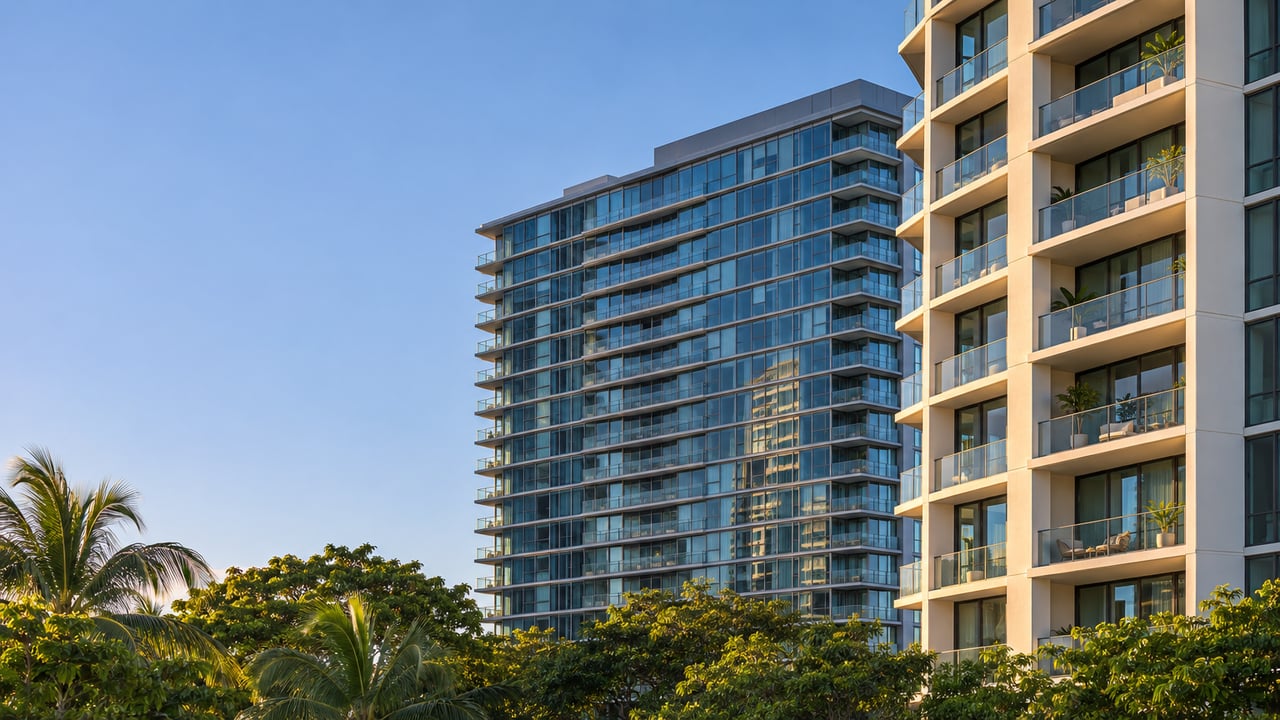
Buying a vacation home in Honolulu from overseas can feel simple at first, then quickly become complex once timing, condo rules, rental use, and taxes enter the picture. If you are trying to balance lifestyle goals with smart planning, you need more than listing alerts and pretty photos. You need a process that works across borders, across time zones, and through Honolulu-specific rules. This guide will walk you through the practical checkpoints that matter most so you can move forward with more confidence. Let’s dive in.
Start With A Honolulu-Based Process
If you live overseas or on the mainland, one of the first challenges is simply staying in sync. Honolulu runs on Hawaii Standard Time, UTC-10, and does not observe daylight saving time. That means your communication window with local professionals stays fixed year-round, which can make planning and response times especially important.
For that reason, a smooth purchase usually starts with a clear local point of contact. Instead of trying to coordinate separate vendors on your own, many remote buyers benefit from working with one Honolulu-based team that can help organize tours, communication, and next steps in one place. Real Select International publicly highlights bilingual, bicultural, and multilingual support, along with help with property tours, introductions to local banks, and translation.
Plan Travel Around Key Decisions
If you are flying in to view properties, it helps to make each visit count. A focused trip is often more efficient than several shorter visits, especially when you need to fit tours, inspections, and decision-making into a limited schedule. Honolulu’s fixed time zone makes that planning even more important when family members, advisors, or banking contacts are in other locations.
A practical approach is to front-load paperwork before you travel. Real Select International notes that clients can bring income-certificate-related documents during their trip to help move the process forward and reduce repeat travel. When key documents are ready early, you can spend more of your visit evaluating properties instead of chasing paperwork.
Know What "Vacation Home" Really Means
One of the biggest mistakes buyers make is assuming a Honolulu property can automatically be used for vacation stays or short-term rentals. On Oahu, that is not something you should take for granted. Whether a condo or home can be used in a certain way depends on zoning, city registration or nonconforming use certificate status, and the building’s governing documents.
This matters even if your main goal is personal use. You may want flexibility later, whether that means renting the property for part of the year, holding it as a second home, or planning for resale. Clarifying allowed use at the start can help you avoid surprises after closing.
Review Condo Documents Carefully
If you are buying a condo, document review is one of the most important parts of due diligence. A beautiful unit and a strong location do not replace the need to understand how the property is governed and operated. For remote buyers especially, the paperwork often tells you what an in-person visit cannot.
Hawaii condo records commonly include core association and operational documents such as:
- Declaration
- Bylaws
- House rules
- Management agreement
- Financial statements
- Board minutes
- Similar governance and operations records
These records can help you understand how the association functions, what rules apply, and whether there are issues that could affect ownership experience or future plans. If your goal includes occasional rental use, document review becomes even more important because building rules may be more restrictive than a buyer expects.
Confirm Short-Term Rental Eligibility
Short-term rental rules in Honolulu are strict, and buyers should verify eligibility before they rely on rental income in their planning. According to the City and County of Honolulu Department of Planning and Permitting, short-term rentals are generally permitted only in resort-zoned areas, with exceptions for existing nonconforming use certificate holders and hotel or timeshare units.
If an owner or operator rents a unit for less than 30 days in an eligible area, each unit must be registered, and that registration is renewed annually. If you are unsure about a property, the city directs buyers to use the short-term rental eligibility map or request zoning verification. That step can be essential if rental flexibility is part of your purchase decision.
Why Existing NUC Status Matters
Existing nonconforming use certificates, often called NUCs, can carry real value for buyers who want transient rental options. The city describes these as grandfathered approvals for certain transient vacation units and bed-and-breakfast homes. A NUC may be renewed by a new owner, operator, or proprietor as long as it is renewed before expiration.
For buyers, that means title history and property records deserve close attention. If a property is being marketed with rental potential tied to a NUC, you will want to confirm that status and understand what is required to maintain it.
Advertising Rules Matter Too
If you plan to rent for less than 30 days where allowed, advertising rules also come into play. Honolulu states that online ads for these rentals must include the short-term rental registration or NUC number and the tax map key. The city also states that it is unlawful to advertise a dwelling for less than 30 days unless the dwelling is registered or designated as a hotel.
For overseas owners, this is another reason to set up your ownership plan correctly from the start. A property that fits your goals on paper still needs to be operated in a way that matches local rules.
Estimate Carrying Costs Realistically
It is easy to focus on purchase price and overlook the ongoing cost of ownership. In Honolulu, those costs may vary depending on how the property is classified and used. Before you finalize your budget, it is wise to confirm the property’s tax classification and think through the full ownership picture.
Honolulu’s FY2025-26 property tax schedule includes separate categories such as:
- Owner-occupied
- Non-owner-occupied
- Hotel and resort
- Transient-vacation
- Long-term rental
- Timeshare
Those classifications can affect your annual carrying costs. If you are comparing several types of vacation properties, this checkpoint can help you make a more accurate side-by-side comparison.
Understand Rental Tax Exposure Early
If your Honolulu vacation home will produce income, even occasionally, tax planning should be part of your early conversations. Hawaii’s Department of Taxation states that rental proceeds from a house, condo, second home, vacation home, or other dwelling are a taxable business activity. Depending on the use of the property, those proceeds can be subject to Hawaii income tax, the general excise tax, and, if the property is a transient accommodation, the transient accommodations tax.
The department also states that property managers, booking platforms, and rental agents authorized to collect rent must report rental activity. That does not mean you need to become a tax expert before you buy. It does mean you should factor tax exposure into your ownership budget and operating plan from the beginning.
Keep Future Resale In Mind
For foreign owners, exit planning is just as important as purchase planning. If you may sell the property in the future, one federal rule that can affect the transaction is FIRPTA withholding. The IRS states that when a foreign person disposes of a U.S. real property interest, withholding may apply, and in most cases the buyer or other transferee withholds 15 percent of the amount realized and files the required forms.
This is not something to solve at the last minute. Even if resale feels far away, understanding the possibility now can help you make cleaner long-term decisions about ownership structure, timing, and financial planning.
Think Beyond The Closing Day
For overseas buyers, success is not only about getting the deal closed. It is also about how easy the property is to manage once you return home. A vacation home in Honolulu can be rewarding, but remote ownership works best when ongoing support is already in place.
Real Select International’s public services highlight practical support that can matter after closing, including short- and long-term rental support, leasing and operations support, reservations and booking, inspection and housekeeping, accounting and financial reporting, property management, rental consultations, postal correspondence, renovation consultation, cleaning, and balance management. For many buyers, that kind of local continuity can reduce stress and help protect the ownership experience.
What A Strong Buying Strategy Looks Like
A well-planned Honolulu purchase is usually less about speed and more about coordination. The strongest strategy often includes clear communication across time zones, focused travel planning, careful condo document review, verified rental eligibility, realistic cost analysis, and a plan for ownership after closing. When those pieces come together, the process becomes much more manageable.
If you are buying from overseas, a one-stop local team can make a real difference. Since 2010, Real Select International has built its reputation around bilingual, bicultural, and cross-border support in Honolulu, helping clients navigate not just properties, but the practical details that come with owning in Hawaii.
If you are considering a Honolulu vacation home and want a calm, well-organized approach, Real Select International can help you move from interest to action with local guidance tailored to your goals.
FAQs
What should overseas buyers know about Honolulu time zones?
- Honolulu is on Hawaii Standard Time, UTC-10, year-round and does not observe daylight saving time, so you should plan communication and decision windows carefully.
What condo documents should Honolulu vacation-home buyers request?
- You should request key association records such as the declaration, bylaws, house rules, management agreement, financial statements, and board minutes to better understand the building’s operations and rules.
Can every Honolulu condo be used as a short-term rental?
- No. Short-term rental use depends on zoning, city registration or NUC status, and the building’s governing documents.
What does NUC mean for a Honolulu vacation property?
- A NUC is a nonconforming use certificate tied to certain grandfathered transient vacation units or bed-and-breakfast homes, and it may affect whether a property can legally support certain rental use.
How are Honolulu vacation homes taxed if they generate rental income?
- Hawaii states that rental proceeds may be subject to Hawaii income tax, general excise tax, and, for transient accommodations, transient accommodations tax.
Why should overseas buyers confirm Honolulu property tax classification?
- Honolulu uses different property tax categories, including non-owner-occupied, hotel and resort, transient-vacation, long-term rental, and others, which can affect your ongoing costs.