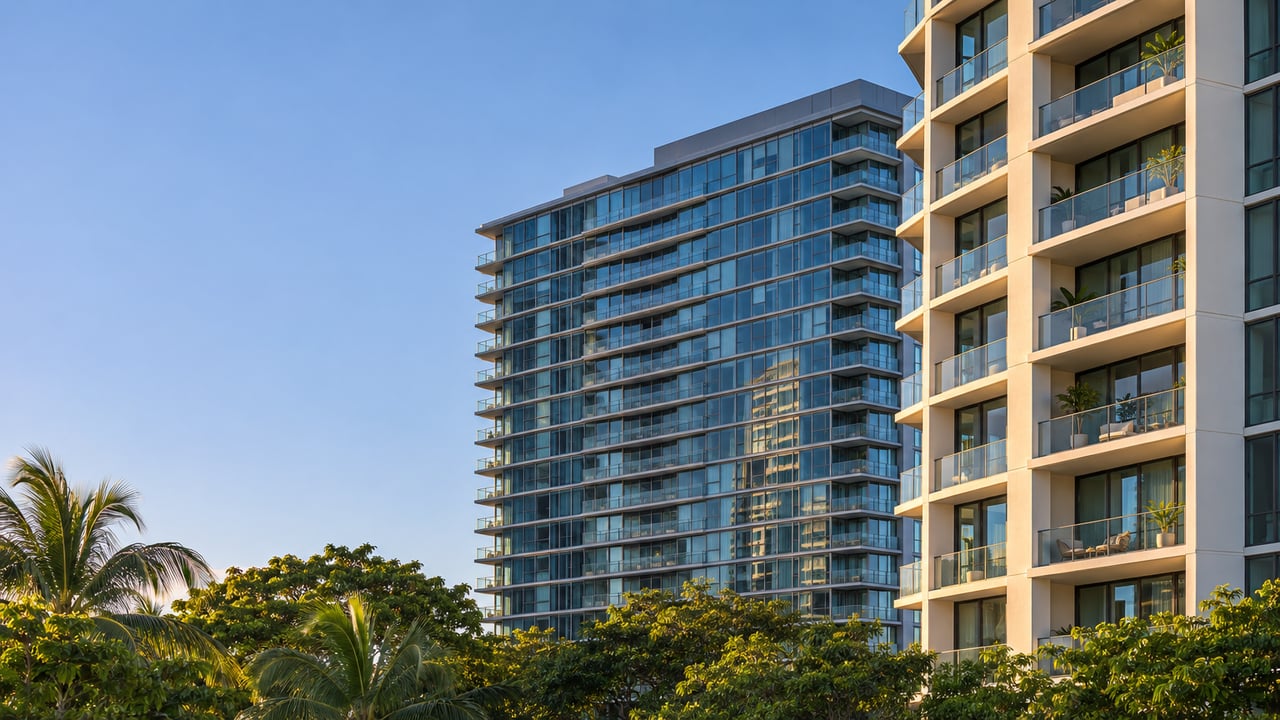
If you are looking at a new Kaka‘ako condo as an investment, the biggest risk is often not the unit itself. It is assuming that a beautiful new tower, strong amenities, and a prime Honolulu address automatically translate into the rental strategy you want. In reality, Kaka‘ako requires more careful review. You need to confirm legal use, building rules, and financial health before you rely on projected income. Let’s dive in.
Why Kaka‘ako needs a different approach
Kaka‘ako is not just another condo district. It is a 600-acre area under the Hawaii Community Development Authority, with planning focused on a pedestrian-oriented, mixed-use urban community.
That matters for investors because the neighborhood’s appeal comes from more than views or finishes. Newer buildings are part of a dense urban setting that blends residential, retail, commercial, and public spaces, which can support strong buyer and renter interest, but each project still needs to be evaluated on its own terms.
A large share of newer inventory is tied to master-planned development in and around Ward Village. These towers can be highly amenitized, but amenity quality does not tell you whether a condo is best for personal use, long-term rental, or another use model.
For example, newer projects in the area may offer features like pool decks, co-working areas, barbecue spaces, retail access, or pet-oriented amenities. Those features can help support demand, but they do not override the legal use rules, condo documents, or building finances that really shape investment performance.
Start with legal rental use
Before you compare projected rents, confirm that your intended rental use is actually allowed. In Honolulu, dwelling units generally cannot be advertised or operated for less than 30 consecutive days unless the property qualifies under a specific legal exception.
That means the first question is simple: Can this unit legally be rented for the time period you want? If you want short stays, you should verify legal status before you get too far into the numbers.
Honolulu also requires sellers to disclose whether short-term rental use is legal for the property before contract execution. If a seller claims the unit is being used as a short-term rental, the seller must provide the applicable permit or registration number and tax-clearance certificates for GET and TAT.
This rule helps protect buyers from paying investment pricing for income that may not be lawful. If the legal use is unclear, treat that as a major underwriting issue, not a minor paperwork item.
Understand the 30-day and 180-day lines
In Kaka‘ako, one of the biggest mistakes buyers make is blending together short-term, mid-term, and long-term rental assumptions. These categories matter because local rules and tax treatment can differ.
Honolulu’s land-use rules generally prohibit rentals of less than 30 consecutive days unless the property has a qualifying legal status. Separately, the Hawaii Department of Taxation treats rentals of 180 consecutive days or more as long-term rentals, while rentals of less than 180 days are treated as transient accommodations.
For long-term rental activity, operators must register for a GET license and file GET returns. For transient rental activity, operators must register for TAT as well and pay both GET and TAT.
If your investment plan depends on furnished stays under 180 days, you should model that use carefully and confirm both city legality and tax compliance. A condo that works well as a long-term rental may underperform if you mistakenly underwrite it as a short-stay asset.
Review condo documents early
City rules are only one part of the picture. The condominium’s own governing documents can be just as important.
The Hawaii Real Estate Commission notes that declarations, bylaws, and house rules may address rental restrictions, guest policies, parking, pets, quiet hours, fines, and other day-to-day use limits. Those rules can materially affect how attractive the unit is to renters and how easy it is for you to operate the property.
You should review:
- The declaration
- The bylaws
- The house rules
- The developer’s public report
You should also confirm that the project appears in the Department of Commerce and Consumer Affairs database for developer public reports and association registrations. This is a practical first screen for newer projects.
Watch for reserved-housing restrictions
Not every newer Kaka‘ako condo is unrestricted investor inventory. HCDA’s reserved-housing program adds another layer of diligence that buyers should not overlook.
According to HCDA, at least 20% of new residential units are set aside for low- and moderate-income households, with eligibility tied to Hawaii residents earning 80% to 140% of area median income. Some reserved units may also include a minimum owner-occupancy period and shared-equity repayment on resale.
For an investor, that means a newer unit may look similar to nearby market-rate inventory but have very different ownership and resale rules. Always verify whether the specific condo is market-rate or subject to reserved-housing requirements.
Underwrite the building, not just the unit
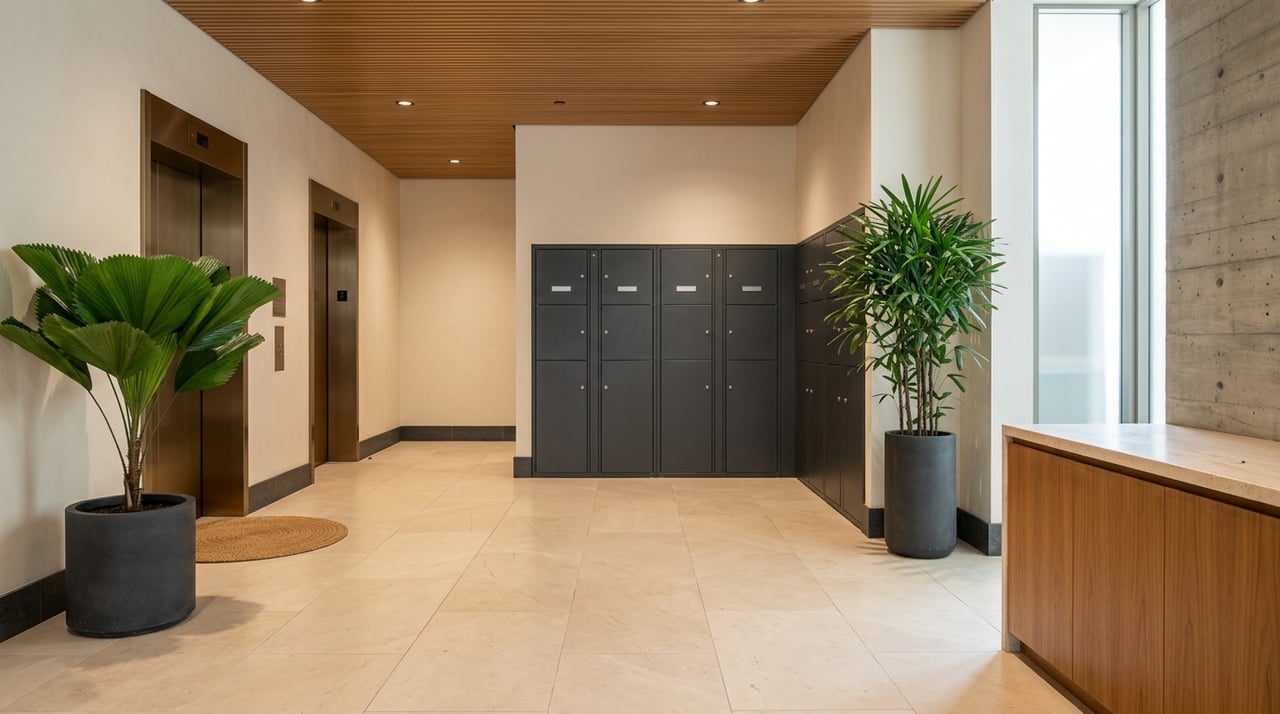
A polished lobby and strong finish package can make a new condo feel like a safe investment. But long-term performance often comes down to how the association manages reserves, insurance, and ongoing capital needs.
The Hawaii Real Estate Commission warns that insufficient reserves can create real problems. Weak reserves can impair insurance coverage, increase the risk of special assessments, and make a building harder to finance or resell.
This is especially important in Hawaii, where insurance costs have become a major concern. In a September 2025 bulletin, the Commission noted that some associations reported insurance-cost increases of 500% to 1,000%.
That is why a low monthly maintenance fee should not automatically be seen as a positive. If dues are low because reserves are thin or costs are being deferred, the building may carry more risk than it appears to on the surface.
Ask for these financial documents
Before you move forward, request the documents that show how the building is being run. A serious investment review should include more than a current dues number.
Ask for:
- The reserve study
- Current financial statements
- The latest audit
- The current insurance summary
The Commission also notes that reserve studies should be reviewed at least once every three years by an independent preparer. These documents can help you see whether the association is planning ahead or simply reacting to costs as they arise.
Check insurance and life-safety issues
In coastal Honolulu, insurance diligence is not optional. The Hawaii Insurance Division reminds consumers that most homeowners policies do not cover flood, hurricane, or earthquake loss.
That makes it important to understand what the master policy covers, what a unit owner is expected to insure personally, and whether there are any known gaps or rising costs that could affect future carrying costs. Insurance should be treated as part of your investment analysis, not just a closing checklist item.
You should also ask about life-safety compliance. The Honolulu Fire Department states that the 2021 edition of NFPA 1, with state and county amendments, became the city fire code effective January 3, 2025, and existing high-rise residential buildings must comply with sprinkler-related evaluation requirements.
Even in a newer tower, you should ask about sprinkler status, any open life-safety work, and any planned capital projects connected to compliance. These items can affect future budgets and ownership experience.
Match the condo to your strategy
The best Kaka‘ako investment is not always the newest building or the one with the most amenities. It is the condo that actually fits your intended use, risk tolerance, and ownership plan.
If you want vacation-style use, do not start with the pool deck. Start by confirming whether the unit has legal short-term-rental status and whether the association allows that use.
If the answer is no, the condo may still work well as a traditional long-term rental or possibly a 30-day-or-longer furnished stay, but your revenue assumptions should change accordingly. A unit can still be attractive without being suited to short-stay income.
In many cases, Kaka‘ako’s strength is its broader urban appeal. Its mixed-use setting, newer housing stock, and pedestrian-oriented design can support demand from people who want convenient Honolulu living, but those strengths only matter if the building’s rules and financial structure support your strategy.
A practical Kaka‘ako checklist
If you want a simple screen for a new or recent Kaka‘ako condo, focus on these points first:
- Confirm the project is registered and review the developer’s public report.
- Read the declaration, bylaws, and house rules.
- Check rental, guest, pet, parking, and fine policies.
- Verify whether the unit is market-rate or part of HCDA reserved housing.
- Request the reserve study, financial statements, audit, and insurance summary.
- If short-term rental use is being claimed, obtain the permit or registration number and tax-clearance evidence before closing.
This process can help you avoid a common mistake in Kaka‘ako: buying based on appearance and projected income before confirming the legal and financial foundation underneath the deal.
Why local guidance matters
Evaluating a new Kaka‘ako condo for investment use often requires you to connect several moving parts at once. You may need to compare project documents, understand local use restrictions, review association finances, and align all of that with your ownership goals.
That is especially important if you are buying from out of state or overseas, or if you want a property that balances personal enjoyment with income potential. In a market like Kaka‘ako, careful diligence is often what separates a smart acquisition from an expensive surprise.
If you are evaluating Kaka‘ako condos and want a more strategic view of legal use, building quality, and fit for your investment goals, Real Select International can help you navigate the process with local market insight and high-touch support.
FAQs
Can a Kaka‘ako condo be rented for less than 30 days?
- In Honolulu, dwelling units generally cannot be advertised or operated for less than 30 consecutive days unless the property qualifies under a specific legal exception, such as an allowed registration, permit, or nonconforming use status.
What documents should you review before buying a new Kaka‘ako condo as an investment?
- You should review the declaration, bylaws, house rules, developer’s public report, reserve study, financial statements, audit, and current insurance summary.
How do HCDA reserved-housing rules affect Kaka‘ako condo investors?
- Some units may have owner-occupancy requirements, shared-equity repayment on resale, or other restrictions, so you should confirm whether a unit is market-rate or part of the reserved-housing program.
Why do condo reserves matter for a Kaka‘ako investment purchase?
- Weak reserves can lead to special assessments, insurance issues, and financing or resale challenges, which can directly affect your ownership costs and exit options.
What taxes apply to rental use for a Honolulu condo investment?
- According to the Hawaii Department of Taxation, long-term rental operators must register for GET, while transient rental operators must register for both GET and TAT and pay both taxes on the activity.
What should you ask about insurance in a new Honolulu high-rise condo?
- You should ask for the master policy summary, unit-owner coverage assumptions, and details about flood, hurricane, earthquake, sprinkler status, and any open life-safety or capital projects.