Wondering whether your vacation ownership goals fit better in Kapolei or Waikiki? It is a smart question, because these two Oahu options offer very different day-to-day experiences, even though both can support a strong Hawaii lifestyle. If you are weighing walkability, unit size, beach access, and how you plan to use the property, this guide will help you compare the tradeoffs clearly. Let’s dive in.
Kapolei and Waikiki at a Glance
If you are comparing these areas for vacation ownership, it helps to start with what each place actually is. Waikiki is Oahu’s main hotel and resort district, with a dense, walkable concentration of resorts, dining, shopping, entertainment, and beach activity. Waikiki Beach stretches about two miles and draws more than four million visitors each year.
Kapolei is different. It is the west-side growth center identified by the City and County of Honolulu as a secondary urban center, but for many vacation buyers, the more relevant resort submarket is Ko Olina. Ko Olina uses a Kapolei postal address and operates as a 642-acre leeward coast resort with four lagoons, a golf club, a marina, and major resort partners including Aulani, Four Seasons, Marriott’s Ko Olina Beach Club, and Beach Villas at Ko Olina.
Lifestyle Differences That Matter
Waikiki offers urban energy
If you want to step outside and be in the middle of everything, Waikiki usually stands out first. Official visitor information describes it as a vibrant gathering place with shopping, dining, nightlife, and activities concentrated along Kalakaua Avenue and nearby streets.
That creates a very specific ownership experience. You can move from your building to the beach, restaurants, shops, and entertainment in minutes, often without needing a car. For many part-time owners, that convenience is a major advantage.
Ko Olina offers a slower resort rhythm
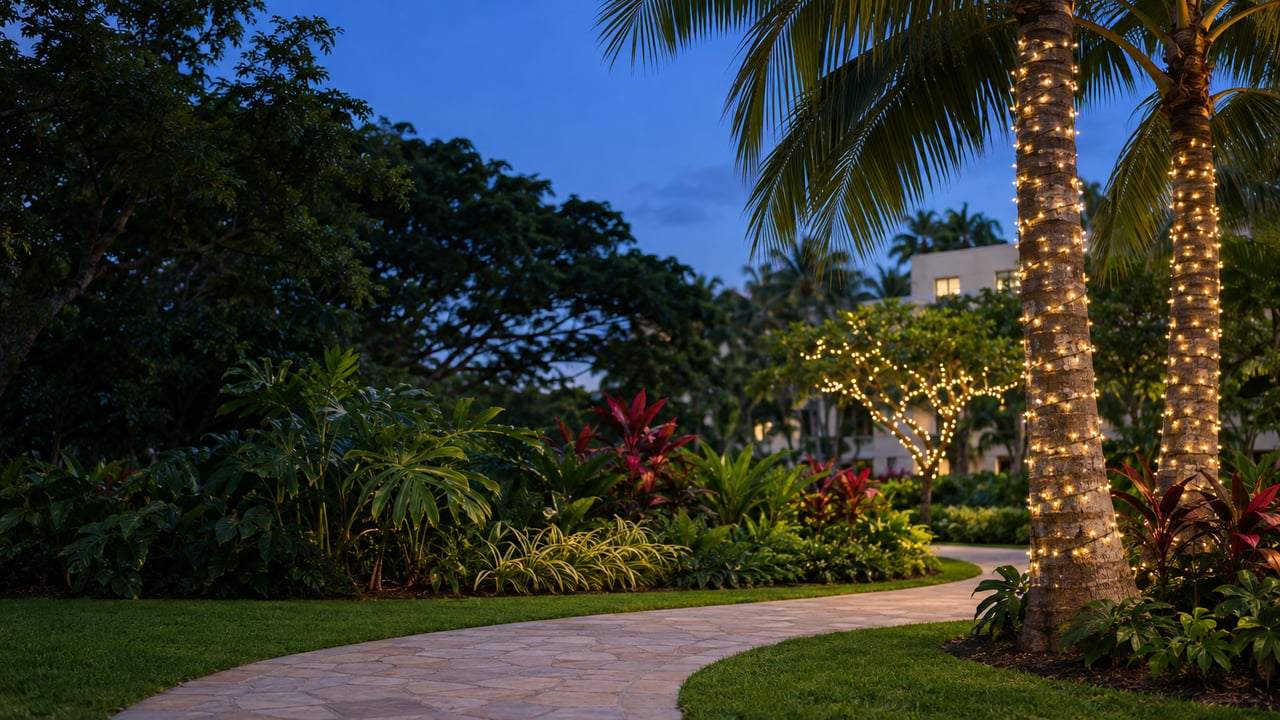
Ko Olina tends to feel more self-contained and more relaxed. The resort describes the area as an oceanfront retreat on the calm leeward coast, with pathways connecting lagoons and resort amenities in a more controlled setting.
If your ideal stay includes quieter mornings, lagoon walks, and more separation from dense visitor traffic, Ko Olina may feel more aligned. It is also about 17 miles from Honolulu International Airport and less than an hour from downtown Honolulu, which supports easy arrival for second-home use.
Kapolei feels more like a growing city center
It is also worth separating Kapolei proper from Ko Olina. City planning materials describe Kapolei as a regional center that is still expanding, with transit and mobility infrastructure growing around it.
That means a Kapolei address does not always mean a resort setting. If your search starts with “Kapolei,” you will want to confirm whether a property is actually in Ko Olina or in the broader Kapolei urban area.
Beach Experience: Lagoon Calm or Classic Waikiki
Waikiki beach access is easy and active
Waikiki Beach is the classic city-beach experience. Public information highlights lifeguards, rentals, food concessions, restrooms, showers, and easy access to surfing and outrigger canoeing.
If you picture vacation time filled with surf lessons, people-watching, and quick beach access between dining and shopping stops, Waikiki may be the stronger fit. The environment is active, social, and easy to navigate on foot.
Ko Olina lagoons feel calmer and more contained
Ko Olina’s four lagoons create a different kind of beach day. They are pedestrian-accessible and offer sunrise-to-sunset parking, but they do not have lifeguards, and shoreline rules limit tents, loud music, fires, and several other activities.
For many owners, that translates into a quieter and more controlled experience. If you value calmer water and a resort atmosphere over a bustling public-beach setting, Ko Olina often checks those boxes.
Walkability, Dining, and Daily Convenience
Waikiki puts more options at your doorstep
Waikiki is built around immediate convenience. The neighborhood is known for concentrated retail and dining along Kalakaua and Kuhio Avenues, plus major destinations like Waikiki Beach Walk and International Market Place.
Even one shopping destination, Royal Hawaiian Center, advertises 110 stores and 30 dining destinations. For owners who want to maximize spontaneity during short stays, that density can be hard to beat.
Ko Olina keeps convenience within the resort
Ko Olina has dining and shopping, but the pattern is different. The offerings are more resort-centered, including Ko Olina Station, Ko Olina Center, and dining within Aulani, Four Seasons, and Marriott.
That setup works well if you prefer a resort village feel rather than a dense urban corridor. You may have fewer steps between your residence, the pool, the lagoons, and dinner, but you will not get the same scale or variety that Waikiki offers.
Ownership Product: What You Are More Likely to Find
Ko Olina leans larger and more residential-resort
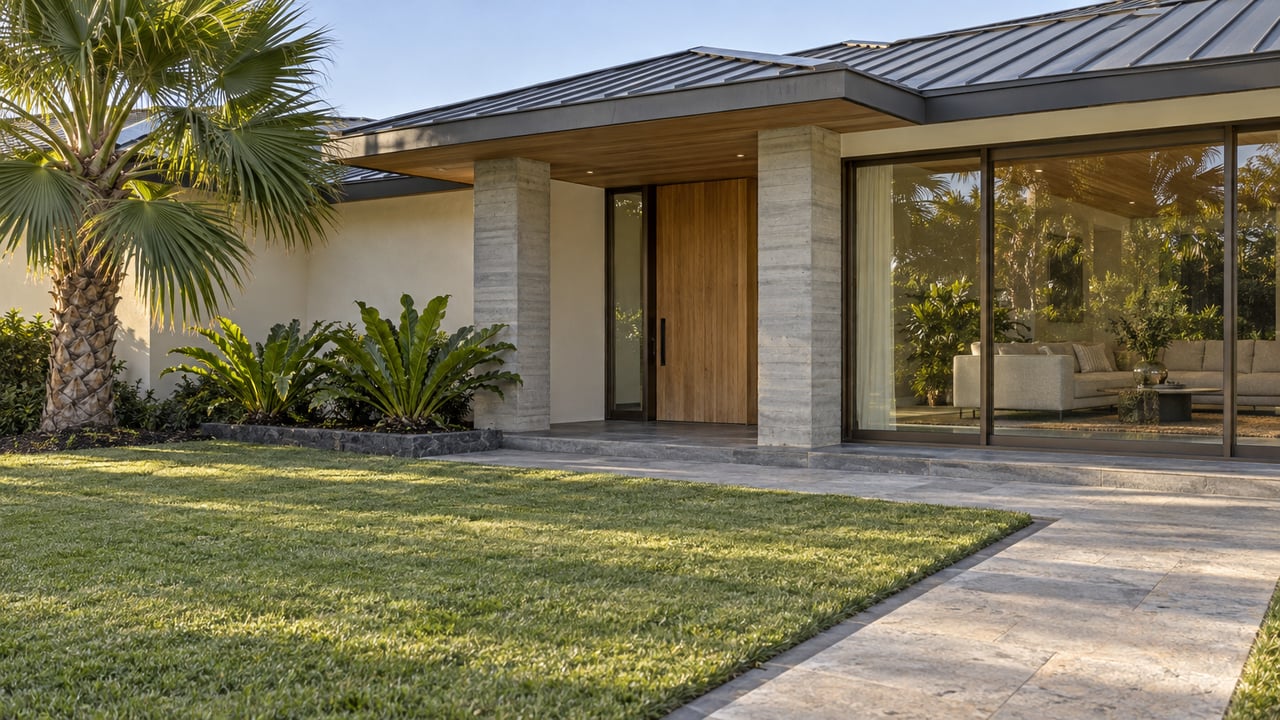
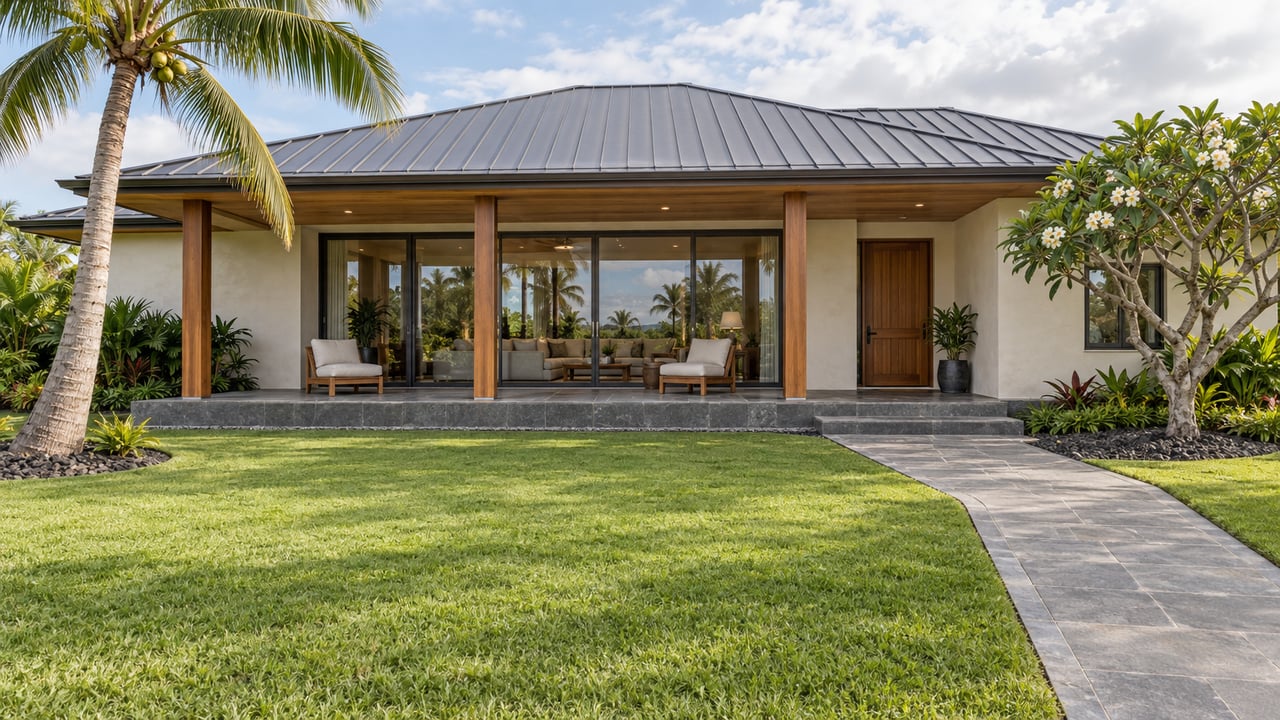
Ko Olina’s ownership options tend to feel more residential in character. Resort information describes six gated neighborhoods with single-family homes, townhouses, and condominium villas, many with two or three bedrooms and baths.
Examples in the area reflect that pattern. Beach Villas at Ko Olina offers two- and three-bedroom villas with large lanais, chef-designed kitchens, and roughly 1,171 to 1,650 square feet, while Marriott’s Ko Olina Beach Club offers one-, two-, and three-bedroom villas with full kitchens, living and dining areas, balconies or patios, and in-unit washer and dryer.
Waikiki leans vertical and hotel-adjacent
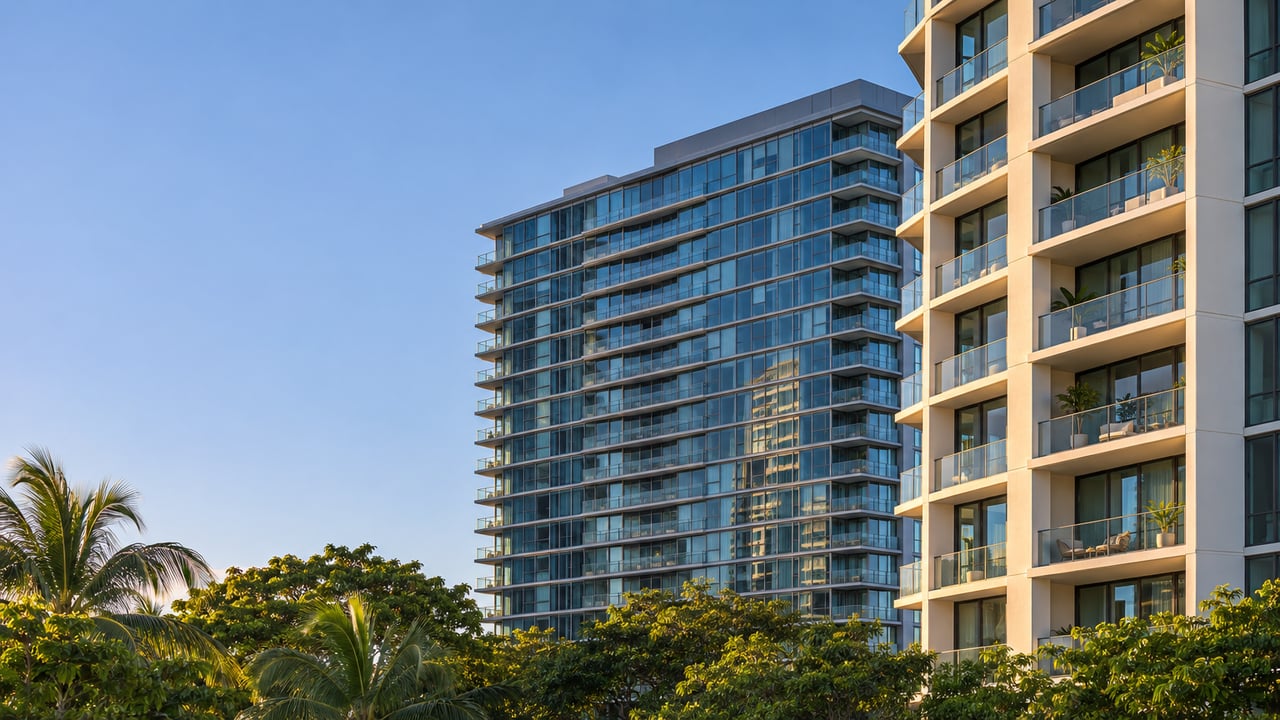
Waikiki’s product mix is generally more high-rise and hospitality-linked. Research examples include suite-style and condominium-hotel properties such as Aston Waikiki Banyan, Waikiki Shore, Club Wyndham at Waikiki Beach Walk, and Embassy Suites Waikiki Beach Walk.
Many of these properties emphasize one- and two-bedroom layouts, kitchens or kitchenettes, and close proximity to the beach and walkable core. If lock-and-leave convenience matters more than interior square footage, Waikiki may line up better with your priorities.
Vacation Use Rules Matter More Than the Area Name
One of the most important practical points is also one of the easiest to overlook. Honolulu’s land-use code permits bed-and-breakfast homes and transient vacation units only in specific areas, including the Waikiki Apartment Precinct mauka of Kuhio Avenue and certain A-1 and A-2 apartment districts near Ko Olina Resort.
The code also requires registration and other standards. For you as a buyer, that means the exact building, zoning, precinct, and association documents matter more than choosing “Waikiki” or “Kapolei” in a general sense.
This is especially important if you are thinking about personal use paired with vacation rental activity. A property can look ideal on paper, but the real answer depends on the specific legal and building-level details.
How to Choose Based on Your Use Pattern
Choose Waikiki if convenience is your priority
Waikiki often fits buyers who want to make the most of shorter stays. If you value walkability, nightlife, dining variety, beach activity, and immediate urban convenience, Waikiki usually offers the most efficient lifestyle.
It can also be appealing if you prefer a more vertical, hospitality-adjacent ownership style. For some owners, being in the center of activity is the whole point of having a Hawaii getaway.
Choose Ko Olina if space and calm matter more
Ko Olina often fits buyers who want a slower pace and a more resort-residential feel. If larger layouts, lagoon swimming, and a quieter setting are high on your list, this area may be the more natural match.
It can be especially attractive if you plan to stay longer, travel with family or guests, or want a property that feels more like a villa retreat than an urban base.
A Side-by-Side Comparison
| Factor | Waikiki | Kapolei / Ko Olina |
|---|---|---|
| Overall setting | Dense urban resort district | Resort enclave within the Kapolei area |
| Beach style | Active public beach with amenities | Calmer lagoons with controlled shoreline rules |
| Walkability | Very high | More limited outside resort areas |
| Dining and shopping | Broad and concentrated | Resort-centered and smaller-scale |
| Typical unit feel | Vertical, hotel-adjacent, compact to mid-size | More residential-resort, often larger layouts |
| Pace | Energetic and social | Slower and quieter |
| Best for | Short stays and urban convenience | Relaxed stays and larger spaces |
Why Local Guidance Helps
This choice is not just about comparing two neighborhoods. It is about matching your ownership goals to a very specific building, use plan, and legal framework.
That is where experienced local guidance can make a real difference. Real Select International brings Honolulu, Waikiki, and Ko Olina market knowledge together with vacation-property experience, multilingual support, and practical insight for local and overseas buyers who want clarity before they commit.
If you are deciding between Waikiki and Kapolei for vacation ownership, Real Select International can help you compare the right properties, confirm the details that matter, and move forward with confidence.
FAQs
What is the main difference between Waikiki and Kapolei for vacation ownership?
- Waikiki is an urban, walkable resort district with dense dining, shopping, and beach activity, while the vacation ownership comparison in Kapolei usually centers on Ko Olina, a more relaxed resort area with lagoons and larger residential-style options.
Is Ko Olina the same as Kapolei for vacation property searches?
- Not exactly. Ko Olina uses a Kapolei postal address, but it functions as a separate resort destination, while Kapolei proper is a broader and growing urban center.
Which area has better beach access for part-time owners, Waikiki or Ko Olina?
- Waikiki offers a classic public beach experience with lifeguards, rentals, showers, restrooms, and easy access to activities, while Ko Olina offers pedestrian-accessible lagoons with a calmer and more controlled setting.
Are vacation rental rules the same across Waikiki and Ko Olina?
- No. Honolulu’s land-use code allows transient vacation use only in certain designated areas, so the exact building, zoning, precinct, registration requirements, and association documents must be reviewed carefully.
What type of property is more common in Waikiki versus Ko Olina?
- Waikiki often features high-rise, hotel-adjacent, suite-style or condominium-hotel properties, while Ko Olina more often includes villas, townhouses, and larger residential-resort layouts.
Which area is better for larger vacation residences on Oahu?
- Based on the ownership examples in the research, Ko Olina is generally the stronger fit if you want two- or three-bedroom villas, more interior space, and a more residential-resort layout.